Twenty-Five Years Later, the 9/11 Health Crisis Continues to Impact Responders
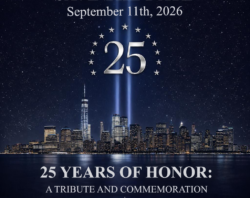
A quarter of a century after nearly 3,000 people lost their lives in the events that took place on September 11, 2001, the World Trade Center Health Program is still treating first responders exposed to both trauma and toxins when they rushed to Ground Zero.
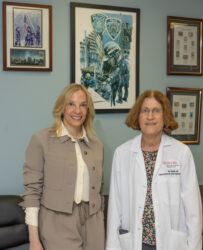
“One might think that 25 years is enough time to grieve,” said Jodi Streich, director of mental health services at the World Trade Center Health Program at Rutgers. “In reality, many who responded that day held in their grief for 25 years and only now are they ready to talk about it.”
“Think about what difficult jobs our patients had,” said Iris Udasin, medical director. “They’re not just recovering from what happened on 9/11. They’re recovering from whatever happened to them when they were police officers, firefighters or first responders.”
The range of health challenges linked to working at Ground Zero continues to increase. Today, all cancers linked to 9/11 exposure are covered by the program, including uterine cancer, which was added to the WTC Health Program List of WTC-Related Health Conditions in 2023.
“Latency for some cancers is 20 or 30 years, so we’re seeing more cancers than ever before,” Udasin said. “We’re also concerned about other chronic physical illnesses that could be related to WTC exposure.”